What Makes a Great Investment Property? A Beginner's Guide for Northeast Arkansas Investors

What Makes a Great Investment Property?
Real estate investing can be an excellent way to diversify your portfolio, build long-term wealth, or generate rental income. However, not every property is the right investment. Knowing what to look for before you buy can help you make more informed decisions.
Whether you're purchasing your first rental property or expanding an existing portfolio, understanding the characteristics of a strong investment property is essential.
If you're considering investment opportunities in Paragould, Jonesboro, Greene County, Craighead County, or elsewhere in Northeast Arkansas, here are several factors to evaluate before making a purchase.
1. Location Is One of the Most Important Factors
A property's location can influence its long-term appeal to future buyers or tenants.
When evaluating an area, consider factors such as:
- Access to major roads
- Employment centers
- Shopping and dining
- Parks and recreation
- Schools
- Healthcare facilities
- Community amenities
Every investor's goals are different, so the ideal location will depend on your investment strategy.
2. Understand the Property's Condition
Before purchasing any investment property, take a close look at its current condition.
Evaluate:
- Roof
- HVAC system
- Plumbing
- Electrical systems
- Foundation
- Windows
- Exterior maintenance
A professional property inspection can help identify visible issues that may require attention after purchase.
3. Consider the Neighborhood Market
Researching the local market can provide valuable insight into current conditions.
You may want to review:
- Recent comparable sales
- Inventory levels
- Average days on market
- Rental activity, if applicable
- Planned community improvements
Keep in mind that market conditions can change over time, and past performance does not guarantee future results.
4. Estimate Your Total Ownership Costs
The purchase price is only part of the investment.
Other expenses may include:
- Property taxes
- Insurance
- Maintenance
- Repairs
- Property management
- Utilities
- Vacancy periods
- Homeowners Association (HOA) dues, if applicable
Understanding these ongoing costs can help you evaluate whether a property aligns with your financial goals.
5. Think About Property Type
Different property types offer different opportunities and responsibilities.
Some investors consider:
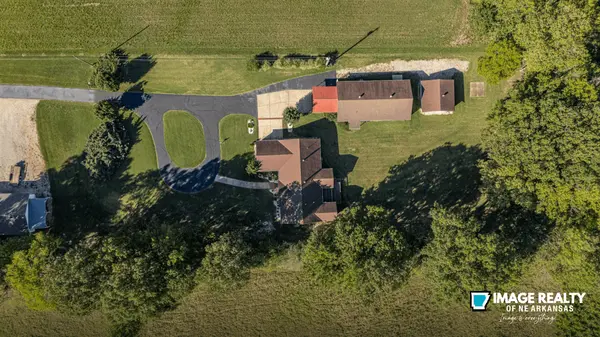
- Single-family homes
- Duplexes
- Multi-family properties
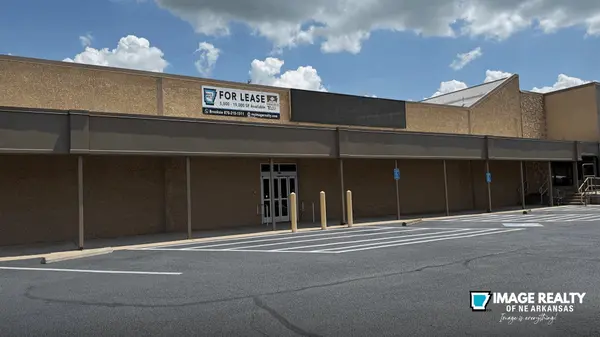
- Commercial buildings
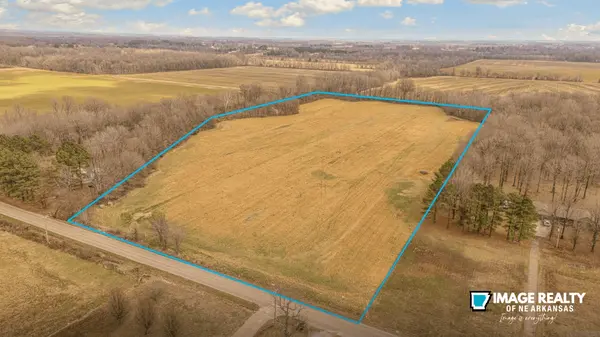
- Vacant land
- Farm property
Each property type comes with its own considerations, maintenance needs, and market dynamics.
6. Evaluate Future Maintenance
Even well-maintained properties require ongoing upkeep.
Ask yourself:
- Are major systems nearing the end of their expected lifespan?
- Will landscaping require significant maintenance?
- Are there deferred repairs?
- Will future maintenance fit your budget?
Planning ahead can help reduce unexpected surprises.
7. Research Local Rental Demand
If you're purchasing a property for rental purposes, understanding the local rental market is important.
Factors to research may include:
- Rental inventory
- Vacancy trends
- Average lease terms
- Demand for different property types
Because rental markets fluctuate, consult local market data and qualified professionals when evaluating opportunities.
8. Have Clear Investment Goals
Before purchasing any investment property, define your objectives.
Ask yourself:
- Are you seeking long-term appreciation?
- Do you want rental income?
- Are you planning renovations before resale?
- Are you building a retirement portfolio?
Knowing your goals can help narrow your search and guide your decision-making.
9. Build the Right Team
Successful real estate investing often involves working with experienced professionals.
Your team may include:
- A REALTOR®
- Mortgage lender
- Home inspector
- Title company
- Insurance professional
- Accountant
- Attorney, when appropriate
- Property manager
Having knowledgeable professionals available can help simplify the buying process.
10. Don't Base Decisions on Emotion
Unlike purchasing a personal residence, investment properties should be evaluated based on objective factors rather than emotional appeal.
Review available information, ask questions, and carefully consider the property's overall condition, location, and ownership costs before making an offer.
Why Invest in Northeast Arkansas?
Northeast Arkansas continues to attract interest from buyers due to its diverse housing inventory, growing business community, and variety of residential, commercial, agricultural, and multi-family properties.
Communities like Paragould and Jonesboro offer opportunities for investors with different goals and budgets. Since market conditions can change, working with a local REALTOR® can help you stay informed about current inventory and market trends.
Final Thoughts
A great investment property is about more than finding a good price. Location, condition, ownership costs, market trends, and your long-term goals all play an important role in making an informed decision.
If you're considering purchasing investment property in Northeast Arkansas, the experienced professionals at Image Realty can help you explore available opportunities and navigate the buying process with confidence.
Categories
Recent Posts