Commercial Property Due Diligence: What Buyers Should Know
Understanding Commercial Property Due Diligence
Purchasing commercial real estate can involve significantly more moving parts than buying a typical residential property. Before moving forward, buyers should take time to investigate the property's physical condition, legal use, financial information, access, and other important details.
Whether you're considering an office, retail property, warehouse, investment property, or another commercial building in Northeast Arkansas, due diligence can help you better understand the property you're considering.
Start With the Property's Physical Condition
A commercial property should be thoroughly evaluated before purchase.
Depending on the property, this may include reviewing:
- Roof
- Foundation
- HVAC systems
- Plumbing
- Electrical systems
- Exterior
- Parking areas
- Drainage
- Interior spaces
- Structural components
A qualified commercial inspector, contractor, engineer, or other professional can provide additional information about the property's condition.
Verify Zoning and Permitted Uses
One of the most important questions is whether the property can legally be used for your intended purpose.
Research:
- Current zoning
- Permitted uses
- Building requirements
- Parking requirements
- Sign regulations
- Occupancy requirements
- Applicable local regulations
Don't assume that because a particular business operates at the property today, another business can automatically use the space in the same way.
Review Existing Leases
If tenants currently occupy the property, review the available lease information.
Depending on the transaction, this may include:
- Lease terms
- Rental rates
- Security deposits
- Lease expiration dates
- Renewal provisions
- Maintenance responsibilities
- Utility responsibilities
Legal questions regarding leases should be addressed by an appropriately qualified attorney.
Examine Operating Expenses
Understanding how the property operates financially is an important part of due diligence.
Available information may include:
- Property taxes
- Insurance
- Utilities
- Maintenance
- Repairs
- Landscaping
- Property management
- Other operating expenses
Historical financial information can provide useful context, but it does not guarantee future income or performance.
Review Access and Parking
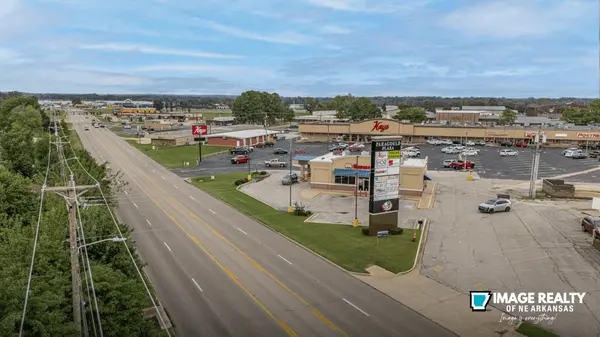
Consider how customers, employees, tenants, vendors, and deliveries will access the property.
Review:
- Road access
- Driveways
- Parking
- Loading areas
- Traffic flow
- Easements
- Shared access
These considerations can be particularly important for retail, warehouse, industrial, and service businesses.
Investigate Utilities and Infrastructure
Make sure the property can support the needs of your intended use.
Depending on the business, investigate:
- Electrical capacity
- Water
- Sewer
- Gas
- Internet
- Drainage
- Waste services
Your contractor, engineer, utility provider, or other qualified professional can help determine whether the existing infrastructure is appropriate.
Review Title, Survey, and Property Records
Depending on the transaction, buyers may need to review:
- Title information
- Survey
- Easements
- Rights-of-way
- Property taxes
- Existing agreements
- Permits
- Property records
Title and legal questions should be directed to the appropriate title professional or attorney.
Consider Environmental Issues
Some commercial properties may require additional environmental investigation depending on their history and intended use.
Potential concerns can vary based on previous uses and site conditions.
If environmental questions arise, consult an appropriately qualified environmental professional.
Evaluate Future Plans Carefully
If you plan to remodel, expand, add parking, construct another building, or change the property's use, research those plans before purchasing.
Zoning, setbacks, easements, permits, utilities, and site conditions can all affect what may be possible.
Never assume that a future improvement will automatically be approved.
Build the Right Professional Team
Commercial transactions can involve several specialized areas.
Depending on the property, buyers may need assistance from:
- Commercial real estate professionals
- Attorneys
- Lenders
- Inspectors
- Contractors
- Engineers
- Accountants
- Insurance professionals
- Environmental professionals
- Property managers
Each professional can help address questions within their area of expertise.
Commercial Due Diligence in Northeast Arkansas
Commercial properties throughout Jonesboro, Paragould, Craighead County, Greene County, and surrounding Northeast Arkansas communities can vary significantly.
A thorough review of the property can help buyers understand its condition, permitted uses, operating requirements, and other factors before making a purchase decision.
Image Realty works with commercial buyers throughout Northeast Arkansas and can assist with the real estate side of the process.
Categories
Recent Posts