
Selling Land in Northeast Arkansas: A Seller's Guide
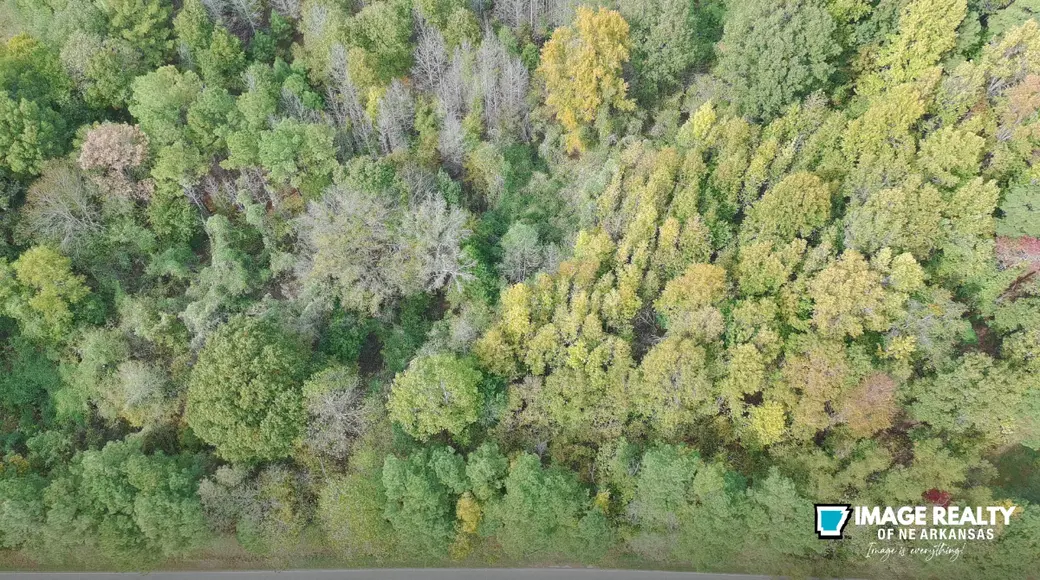
Selling Land in Northeast Arkansas: How to Prepare Your Property for the Market
Selling land involves different considerations than selling a house. Buyers may want to understand access, boundaries, utilities, permitted uses, drainage, and other property details before deciding whether a parcel fits their plans.
If you're considering selling land in Paragould, Jonesboro, Greene County, Craighead County, or another part of Northeast Arkansas, preparing important information before listing can help make the process more organized.
1. Gather Important Property Documents
Start by collecting records that may help buyers understand the property. Depending on the parcel, useful documents may include:
-
The current deed or other ownership records.
-
A recent survey, if available.
-
Information about easements or access agreements.
-
Property tax information.
-
Existing utility or well records.
-
Relevant soil, drainage, or environmental reports.
Not every property will have all these documents. If you are unsure whether a record is current or legally sufficient, consult the appropriate professional.
2. Review Property Boundaries and Access
Buyers need to understand where the property begins and ends and how they can legally reach it.
Review any existing survey and identify known boundary markers. If boundaries are unclear, a licensed surveyor can help determine whether a new survey is appropriate.
Also consider whether the parcel has direct road frontage or depends on an easement or private access road. Gather available documentation about access and disclose known limitations as required.
Avoid assuming that a visible driveway or road automatically establishes legal access.
3. Understand Zoning and Potential Uses
Different parcels may have different restrictions on how the land can be used. Buyers may be interested in residential construction, farming, recreation, commercial activity, or future development.
Before marketing the property for a particular use, review available zoning, land-use requirements, deed restrictions, and other applicable limitations with the appropriate local authorities or professionals.
Do not advertise a parcel as suitable for a specific purpose unless that claim can be reasonably supported.
4. Identify Available Utilities and Site Conditions
Utilities and site conditions can influence a buyer's evaluation of land. Gather any reliable information you have about:
-
Electricity availability.
-
Public water, wells, or other water sources.
-
Sewer access or septic systems.
-
Internet or other service availability.
-
Drainage patterns and areas that may collect water.
-
Known floodplain or environmental considerations.
Availability and installation costs can vary by location. Buyers may need to contact utility providers, local authorities, or qualified specialists to verify service options and site suitability.
5. Make the Property Easier to Evaluate
You may not need extensive improvements before listing land, but basic preparation can help buyers understand the parcel.
Consider removing manageable debris, maintaining existing access routes where permitted, and making important boundaries or property features easier to identify without disturbing neighboring land.
For wooded, agricultural, or recreational parcels, avoid unnecessary clearing before considering the cost, environmental impact, and intended marketing approach.
Photographs showing access points, open areas, terrain, and other relevant features can help communicate the property's condition.
6. Consider Pricing and Comparable Properties
Land values can vary significantly based on location, size, access, terrain, utilities, permitted uses, and nearby development. Two parcels with similar acreage may have very different characteristics.
When considering an asking price, review relevant comparable land sales and discuss the property's features with a real estate professional familiar with the local market.
Online asking prices are not the same as completed sale prices. A pricing recommendation should account for the property's specific characteristics and available market evidence.
7. Prepare for Common Buyer Questions
Before listing, think about the questions potential buyers may ask:
-
How is the property accessed?
-
Are surveys or boundary records available?
-
What utilities are nearby or already present?
-
Are there known easements or restrictions?
-
What is known about drainage and flood risk?
-
Are there property taxes, leases, or other ongoing obligations?
-
Have any environmental or site evaluations been completed?
You may not know every answer, and that's okay. Be clear about what is documented, what is known, and what requires further investigation.
Prepare Your Land for the Next Step
Selling land in Northeast Arkansas starts with understanding the property's features and organizing the information buyers may need. Reviewing records, access, boundaries, utilities, and potential restrictions can help you prepare for the listing process.
Whether your property is near Paragould, Jonesboro, or a rural community in Greene or Craighead County, a real estate professional familiar with land transactions can help you understand the marketing process and identify questions that may need additional review.
Considering selling land? Image Realty can help you explore the next steps for bringing your property to market.
Disclaimer: This article provides general educational information and is not legal, tax, surveying, environmental, zoning, or land-use advice. Requirements vary by property and location. Consult qualified professionals and the appropriate local authorities for property-specific guidance.
Categories
Recent Posts