
Winterizing Your Home in Arkansas: Prepare Before Freezing Weather
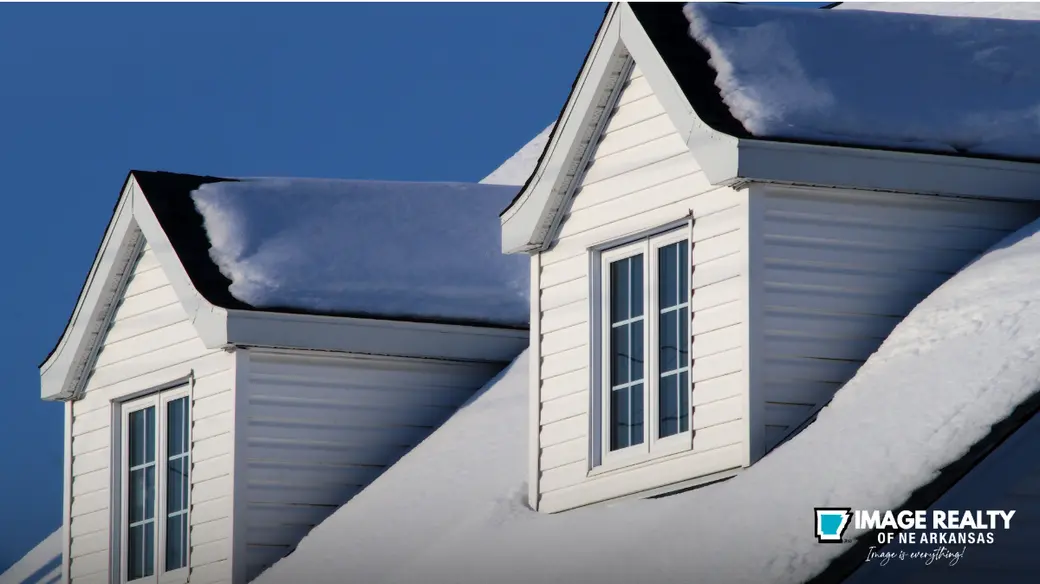
Winterizing Your Home in Arkansas: What Homeowners Should Do Before Freezing Weather
As autumn gives way to winter, homeowners across Northeast Arkansas begin preparing for colder temperatures. While Arkansas winters can vary from year to year, freezing weather can arrive quickly and create challenges for homes that have not been properly maintained.
Taking time to prepare your property before temperatures drop can help you identify maintenance concerns, protect vulnerable areas, and make your home more comfortable throughout the colder months.
Whether you own a home in Paragould, Jonesboro, Greene County, Craighead County, or another Northeast Arkansas community, this winterization checklist can help you get started.
1. Protect Your Pipes Before Temperatures Drop
Frozen pipes are an important concern during periods of freezing weather. When water freezes inside a pipe, it can expand and potentially cause the pipe to crack or burst.
Before freezing temperatures arrive, take time to identify plumbing in areas that may be exposed to cold air.
Check Vulnerable Plumbing Areas
Pay attention to pipes located in or near:
-
Unheated garages
-
Crawl spaces
-
Basements, where applicable
-
Attics
-
Exterior walls
-
Outdoor plumbing connections
Insulating exposed pipes with appropriate materials can help reduce the risk of freezing. If you are unsure which pipes need protection or how to insulate them correctly, consult a qualified plumber.
Disconnect Outdoor Hoses
Disconnect garden hoses from outdoor faucets before freezing weather arrives. Follow the faucet manufacturer's instructions for winter preparation, especially if your home has frost-free hose bibs or other specialized plumbing fixtures.
If your home has a sprinkler system, pool equipment, or other outdoor water systems, check the manufacturer's winterization recommendations or contact a qualified service professional.
Know Where Your Main Water Shutoff Is Located
Homeowners should know how to locate the main water shutoff in case a plumbing emergency occurs.
If a pipe freezes or bursts, shutting off the water supply may help limit additional water damage. Contact a licensed plumber if you suspect a frozen pipe, especially if you cannot safely identify or address the problem.
2. Schedule Heating System Maintenance
Your heating system will likely work harder as temperatures fall. Addressing routine maintenance before the coldest weather arrives can help you identify potential problems before you rely on the system every day.
Replace or Clean Air Filters
Check your heating system's air filter and replace or clean it according to the manufacturer's instructions. A dirty filter can restrict airflow and affect system performance.
The appropriate replacement schedule depends on the system, filter type, household conditions, and manufacturer recommendations.
Test Your Heating System
Before consistently cold weather begins, turn on your heat and confirm that the system operates as expected.
Pay attention to unusual sounds, unexpected odors, uneven heating, or other changes. If something does not seem right, arrange service with a qualified HVAC professional.
Check Smoke and Carbon Monoxide Detectors
Test smoke alarms and carbon monoxide detectors according to the manufacturer's instructions. Replace batteries when needed and follow applicable safety recommendations for detector placement and replacement.
Never use an oven or outdoor grill to heat your home. Fuel-burning heating equipment should be installed and operated according to its instructions, with proper ventilation and safety precautions.
3. Check Windows and Doors for Drafts
Drafts can make a home uncomfortable and may contribute to higher heating costs.
Walk through your home and look for noticeable gaps around windows, exterior doors, and other openings.
Inspect Weatherstripping and Caulking
Check weatherstripping around exterior doors and inspect the caulking around windows and other exterior openings.
Damaged or missing materials may allow outside air or moisture to enter. Replace worn weatherstripping or recaulk suitable areas when needed, following product instructions.
Use Window Coverings Strategically
Curtains and blinds can help manage comfort and sunlight during colder months. Open window coverings when sunlight can naturally warm a room, when practical, and close them after sunset to help reduce heat loss through windows.
If you notice significant drafts or persistent temperature differences, a qualified contractor or energy-efficiency professional can help identify possible improvements.
4. Inspect Your Roof and Gutters
Leaves, branches, and debris can accumulate on roofs and in gutters during fall. Before winter weather arrives, inspect these areas for maintenance concerns.
Clear Gutters and Downspouts
Clogged gutters can prevent water from draining properly. Check for leaves, debris, loose sections, and downspouts that direct water toward the home's foundation.
Make sure drainage systems are functioning as intended, particularly after heavy rain.
For safety, avoid climbing onto a roof or using a ladder in wet, windy, or otherwise hazardous conditions. Hire a qualified professional if the work cannot be completed safely.
Look for Visible Roof Concerns
From the ground, look for obvious signs of damage, such as missing shingles, damaged flashing, or sagging areas.
If you notice a potential issue, consider having a qualified roofing professional inspect it before severe weather arrives.
Addressing roof and drainage concerns can help reduce the risk of moisture entering your home during winter storms.
5. Prepare Your Outdoor Areas
Outdoor maintenance is another important part of winterizing a property.
Store or Secure Outdoor Items
Bring in or secure patio furniture, cushions, umbrellas, lightweight decorations, and other items that could be damaged by wind or severe weather.
Store seasonal equipment according to the manufacturer's instructions.
Inspect Trees and Branches
Look for visibly damaged or dead branches near your roof, driveway, walkways, and utility lines.
Tree maintenance can involve significant safety risks, particularly near electrical lines. Contact a qualified tree-care professional or the appropriate utility provider when necessary.
Check Exterior Steps and Walkways
Inspect outdoor steps, handrails, and walking surfaces for loose components or damage. Clear leaves and other debris that could create slippery conditions when wet or frozen.
Good exterior maintenance can make it easier to navigate your property as winter weather develops.
6. Review Your Fireplace and Alternative Heating Equipment
If your home has a fireplace, wood stove, or other supplemental heating equipment, make sure it is ready for safe use before relying on it.
-
Have chimneys and flues inspected and cleaned as recommended by a qualified professional.
-
Keep combustible materials away from fireplaces and heating equipment.
-
Use only the fuel specified for the appliance.
-
Follow the manufacturer's operating and maintenance instructions.
-
Keep smoke and carbon monoxide detectors operational.
Portable space heaters should be used according to their safety instructions, kept away from combustible materials, and never left unattended when prohibited by the manufacturer. Avoid using damaged equipment or extension cords that are not suitable for the device.
If you are unsure whether a heating appliance is safe to operate, have it evaluated by a qualified professional.
7. Check Insulation and Attic Ventilation
Insulation can affect how well your home maintains comfortable indoor temperatures.
If some rooms consistently feel colder than others, or if you notice drafts despite having sound windows and doors, insulation may be one area worth evaluating.
Consider having a qualified professional assess:
-
Attic insulation
-
Insulation around accessible plumbing
-
Gaps around utility penetrations
-
Air leaks near exterior walls and ceilings
-
Attic ventilation
Insulation and ventilation work should be appropriate for your home's design and local conditions. Avoid blocking vents or making changes that could create moisture or ventilation problems.
8. Make a Plan for Severe Winter Weather
Winterization is not limited to home repairs. Preparing for possible power outages or severe weather can also help you respond more effectively when conditions change.
Consider keeping the following supplies accessible:
-
Flashlights and extra batteries
-
A charged power bank for mobile devices
-
Basic first-aid supplies
-
Drinking water and shelf-stable food
-
Necessary medications
-
Warm blankets and appropriate clothing
-
Emergency contact information
If you use a generator, operate it outdoors and well away from doors, windows, and other openings, following the manufacturer's safety instructions. Never operate a generator inside a home, garage, or other enclosed space because of the risk of carbon monoxide poisoning.
For additional guidance, follow local emergency-management and weather-service updates when winter storms are expected.
9. Create a Simple Winterization Schedule
You do not have to complete every task in one day. Breaking winter preparation into manageable steps can make it easier to keep track of maintenance needs.
| When | Tasks to Consider |
|---|---|
| Early fall | Schedule HVAC maintenance, inspect the roof, and review exterior maintenance needs. |
| Before freezing temperatures | Disconnect garden hoses, protect vulnerable pipes, and check heating equipment. |
| Before winter storms | Secure outdoor items, check emergency supplies, and monitor weather forecasts. |
| Throughout winter | Replace filters as recommended, watch for leaks, and address maintenance issues promptly. |
The exact timing will depend on the weather forecast, your home's features, and the condition of its systems.
Why Winter Home Maintenance Matters for Northeast Arkansas Homeowners
Homes in Northeast Arkansas can experience a range of winter conditions, including cold rain, strong winds, occasional ice, and freezing temperatures.
Preparing ahead of time gives homeowners an opportunity to identify maintenance needs before weather makes repairs more difficult. It can also help homeowners understand which systems and areas of their property may need professional attention.
Whether you live in Paragould, Jonesboro, or a rural area of Greene or Craighead County, focus on the specific needs of your home rather than assuming every property requires the same preparation.
For homeowners considering selling in the future, routine maintenance can also help keep a property in good condition. However, winterization alone does not guarantee a particular sale price or market outcome.
Final Thoughts
Winterizing your home is an important part of seasonal property maintenance. Checking plumbing, servicing heating equipment, inspecting windows and doors, clearing gutters, and preparing outdoor areas can help you address concerns before freezing weather arrives.
Start with the tasks most relevant to your home, follow manufacturer recommendations, and contact qualified professionals for repairs or work that requires specialized knowledge.
A little preparation in the fall can help you enter winter with a clearer understanding of your home's maintenance needs.
Categories
Recent Posts