Understanding Property Boundaries Before Buying Land in Arkansas
Understanding Property Boundaries Before Buying Land
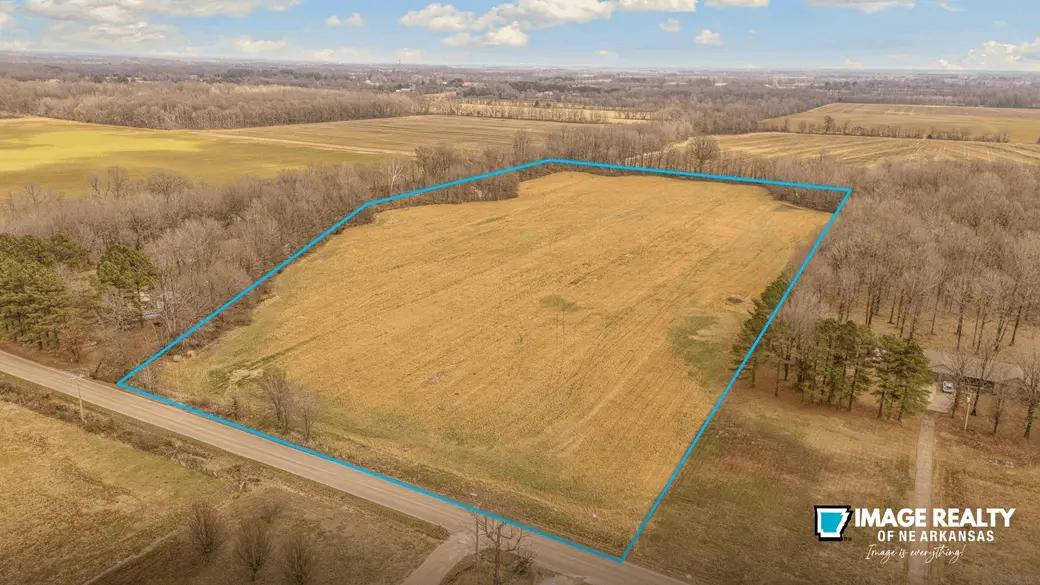
When you're buying land, the property lines may not always be obvious from simply walking the property.
Fences, roads, tree lines, creeks, and other visible features don't necessarily establish the legal boundaries of a parcel. Before purchasing land in Northeast Arkansas, buyers should take time to understand where the property begins and ends.
Why Property Boundaries Matter
Knowing the boundaries of a property can help you understand what you're actually purchasing.
Boundaries can affect plans involving:
- Fencing
- Driveways
- Buildings
- Pastures
- Landscaping
- Agricultural uses
- Future improvements
A clear understanding of the parcel can also help prevent misunderstandings regarding neighboring properties.
Don't Assume a Fence Is the Property Line
One of the most common mistakes buyers can make is assuming an existing fence marks the exact property boundary.
A fence may have been installed for convenience, livestock management, or other reasons and may not correspond precisely with the legal property line.
The same applies to roads, tree lines, creeks, and other visible features.
Review the Property Survey
A survey can provide important information about the property's boundaries and physical characteristics.
Depending on the type of survey, it may identify:
- Property lines
- Corners
- Easements
- Rights-of-way
- Improvements
- Encroachments
- Other relevant features
If you're purchasing land and have questions about the boundaries, discuss whether a survey is appropriate with your real estate professional and a qualified surveyor.
Understand Easements and Rights-of-Way
A property can have recorded easements or rights-of-way that affect how portions of the land can be used.
Examples may include access for:
- Roads
- Utilities
- Drainage
- Neighboring properties
- Other authorized purposes
Title and legal questions about easements should be addressed by the appropriate title professional or attorney.
Pay Attention to Access
Land buyers should also determine how the property is accessed.
Ask questions about:
- Public road access
- Private roads
- Shared driveways
- Access easements
- Road maintenance responsibilities
A parcel may appear accessible on a map or during a property visit, but the legal access should be properly investigated.
Check for Possible Encroachments
An encroachment occurs when an improvement or structure crosses a property boundary.
Potential examples could include:
- Fences
- Buildings
- Driveways
- Landscaping
- Other structures
A survey and appropriate professional review can help identify potential boundary concerns.
Consider Future Plans
If you're purchasing acreage for a specific purpose, understand how the property boundaries may affect your plans.
For example, you may want to:
- Build a home
- Add a shop
- Install fencing
- Create a driveway
- Divide the property
- Use portions for agricultural purposes
Before making plans, verify applicable zoning, permitting, access, septic, utility, and other requirements with the appropriate professionals or local authorities.
Rural Land Requires Careful Due Diligence
Land in Greene County, Craighead County, Paragould, Jonesboro, and surrounding Northeast Arkansas communities can vary considerably.
A rural parcel may involve additional considerations such as:
- Acreage
- Easements
- Septic systems
- Wells
- Utility access
- Fencing
- Timber
- Water features
- Flood-related considerations
The appropriate due diligence depends on the specific property.
Don't Rely on a Map Alone
Online maps and property websites can be useful for researching land, but they shouldn't be treated as a substitute for professional boundary information.
When exact property lines matter, consult the appropriate survey and property records and seek professional guidance when necessary.
Before You Buy Land
Before purchasing land, consider asking:
- Where are the property's legal boundaries?
- Is a recent survey available?
- Are there recorded easements?
- How is the property legally accessed?
- Are there potential encroachments?
- Are fences located on the actual boundary?
- Are there restrictions affecting the property?
- Will the property support your intended use?
Taking time to investigate these questions can help you better understand the land before completing a purchase.
Categories
Recent Posts