Understanding Flood Zones Before You Buy Property in Arkansas
Whether you're purchasing your first home, a piece of land, or an investment property, understanding flood zones is an important part of the buying process.
Flood zones can influence insurance requirements, future building plans, and property maintenance considerations. While being located in a flood zone doesn't automatically mean a property floods, it's information every buyer should review before moving forward with a purchase.
If you're considering property in Paragould, Jonesboro, Greene County, Craighead County, or elsewhere in Northeast Arkansas, taking time to understand flood zone designations can help you make an informed decision.
What Is a Flood Zone?
A flood zone is a geographic area identified by the Federal Emergency Management Agency (FEMA) based on the estimated likelihood of flooding.
Flood maps are developed using factors such as:
- Topography
- Rainfall patterns
- Rivers and streams
- Drainage systems
- Historical flood data
These maps help property owners, lenders, builders, and insurance providers evaluate flood risk.
Why Flood Zones Matter
Flood zone information may affect several aspects of property ownership.
These can include:
- Flood insurance requirements
- Building or development considerations
- Future improvements or additions
- Financing requirements
- Property maintenance planning
Every property is different, and flood zone information should be reviewed as part of your due diligence.
Common Flood Zone Designations
Although there are several FEMA flood zone classifications, buyers often encounter these categories:
High-Risk Flood Areas
Some flood zones have a higher statistical probability of flooding.
For certain financed purchases, lenders may require flood insurance if the structure is located within a designated high-risk flood area.
Moderate- and Low-Risk Areas
Other properties may be located in areas with lower estimated flood risk.
Even so, flooding can occur outside designated high-risk zones.
Flood risk varies by property and changing weather conditions.
How to Find Out if a Property Is in a Flood Zone
Before purchasing property, buyers should review available flood information.
Resources may include:
- FEMA Flood Insurance Rate Maps (FIRMs)
- County GIS mapping systems
- Survey documents
- Seller disclosures, when applicable
- Information provided during the transaction
Your real estate professional can help you identify available resources, but flood zone determinations should be confirmed through the appropriate sources.
Flood Insurance
Flood insurance is different from a standard homeowners insurance policy.
Depending on the property's location and your lender's requirements, separate flood insurance may be necessary.
Questions to discuss with a licensed insurance professional include:
- Whether flood insurance is required
- Available coverage options
- Estimated premiums
- Coverage limitations
- Waiting periods before coverage begins
Insurance requirements vary by property and lender.
Buying Land in a Flood Zone
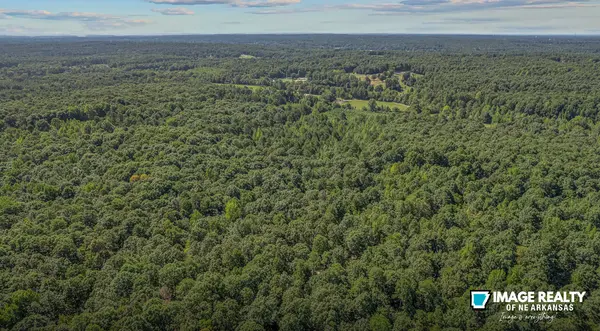
Flood zones are important to consider when purchasing vacant land as well.
If you plan to build in the future, you may need to evaluate:
- Building site elevations
- Local development requirements
- Drainage considerations
- Utility placement
- Permitting requirements
Consult local officials, engineers, surveyors, or other qualified professionals regarding development questions.
Flood Zones and Property Value
Some buyers wonder whether a flood zone automatically affects a property's value.
The answer depends on many factors, including:
- Property location
- Improvements
- Buyer demand
- Insurance costs
- Market conditions
Because every property is unique, flood zone status alone does not determine market value.
Questions to Ask Before You Buy
When evaluating a property, consider asking:
- Has the property experienced previous flooding?
- Is flood insurance currently maintained?
- What flood zone is the property located in?
- Are there drainage improvements nearby?
- Are there any building restrictions related to the flood zone?
These questions can help buyers gather additional information before making a purchasing decision.
Why Local Knowledge Matters
Northeast Arkansas includes a variety of landscapes, from neighborhoods within city limits to farmland, rivers, creeks, and rural acreage.
Understanding local geography can be valuable when evaluating properties throughout Greene County, Craighead County, and surrounding communities.
Working with a knowledgeable local real estate professional can help buyers identify important property considerations while guiding them through the purchasing process.
Final Thoughts
Flood zone information is just one of many factors to consider when purchasing real estate, but it is an important part of making an informed decision.
Before buying a home, land, or investment property in Northeast Arkansas, take time to review flood maps, ask questions, and consult qualified professionals regarding insurance, surveying, and development requirements.
Being informed today can help you better understand your options as you move forward with your real estate goals.
Categories
Recent Posts