Buying Land in Arkansas: What You Need to Know Before You Purchase
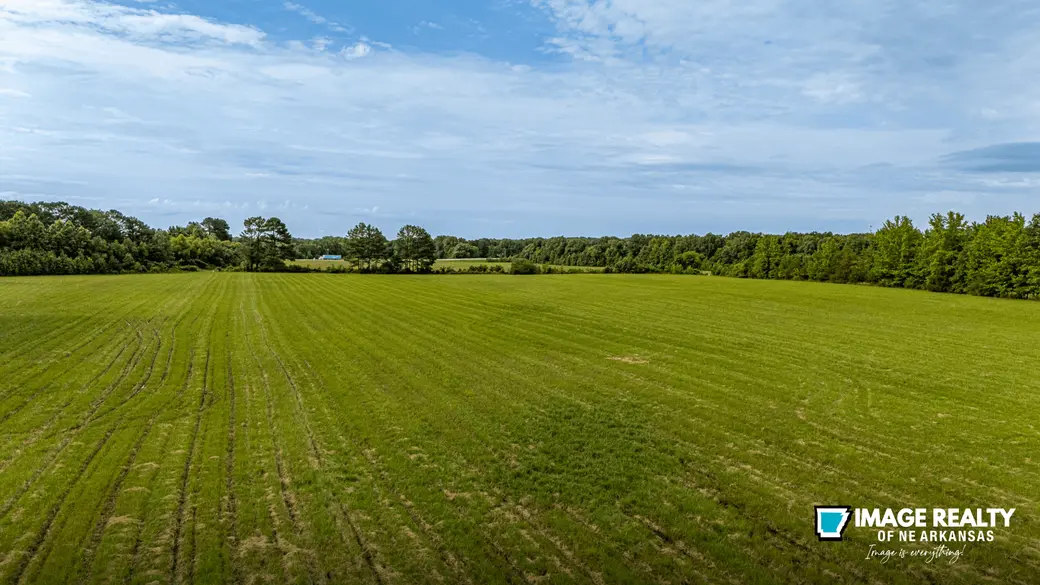
Purchasing land is different from buying an existing home. Whether you're searching for acreage to build on, farmland, recreational property, or an investment in undeveloped land, taking time to understand the property can help you make a more informed decision.
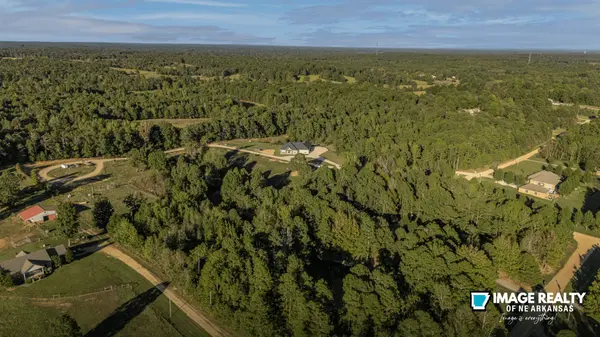
Northeast Arkansas offers a wide variety of land opportunities, from residential building lots in Paragould and Jonesboro to larger tracts throughout Greene County, Craighead County, and surrounding areas. Each property is unique, making careful research an important part of the buying process.
Start with Your Goals
Before you begin your search, consider how you plan to use the property.
Common land-buying goals include:
- Building a future home
- Purchasing acreage for recreation
- Farming or agricultural use
- Hunting property
- Commercial development
- Long-term land ownership
Understanding your intended use can help narrow your search and identify properties that align with your needs.
Verify Zoning and Land Use Restrictions
Not every parcel can be used for every purpose.
Before purchasing land, research:
- Current zoning
- Deed restrictions
- Easements
- Local development requirements
- Building setbacks
If you have specific plans for the property, contact the appropriate local government office or consult qualified professionals to determine whether your intended use is permitted.
Understand Utility Availability
One of the biggest differences between buying a home and buying vacant land is determining what utilities are already available.
Consider confirming access to:
- Electricity
- Public water
- Natural gas (where available)
- Internet service
- Sewer service
- Septic system requirements
Some rural properties may require additional planning or expense to establish utility service.
Evaluate Road Access
Access is an important consideration when purchasing land.
Ask questions such as:
- Does the property have direct road frontage?
- Is access provided by a recorded easement?
- Are roads publicly or privately maintained?
- Will access be available year-round?
Understanding how the property is accessed can help prevent future surprises.
Review Property Boundaries
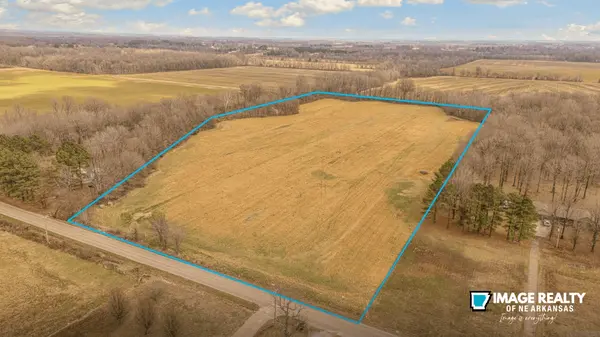
Property lines are not always obvious when viewing vacant land.
Consider obtaining or reviewing:
- A recent survey
- Legal property description
- Boundary markers
- Recorded plats (when applicable)
If boundary locations are uncertain, consult a licensed surveyor before closing.
Learn About Flood Zones
Some land may be located within designated flood hazard areas.
Before purchasing, consider reviewing:
- Flood zone maps
- Drainage patterns
- Nearby waterways
- Historical flooding information, when available
Flood zone designations may affect future building plans or insurance requirements. Buyers should consult the appropriate professionals for property-specific guidance.
Consider Soil and Site Conditions
If you plan to build, the property's physical characteristics can play an important role.
Factors to evaluate may include:
- Soil conditions
- Topography
- Drainage
- Tree coverage
- Rock formations
- Building site suitability
Depending on your intended use, additional evaluations or testing may be appropriate.
Understand Ongoing Ownership Costs
Owning land often involves expenses beyond the purchase price.
Potential costs may include:
- Property taxes
- Land maintenance
- Utility installation
- Surveying
- Site preparation
- Road improvements
Budgeting for these expenses can help provide a more complete picture of long-term ownership.
Financing Vacant Land
Financing land can differ from financing an existing home.
Loan availability, down payment requirements, and qualification standards vary depending on:
- Property type
- Intended use
- Lender requirements
- Buyer qualifications
Prospective buyers should consult qualified lenders to discuss available financing options.
Why Work with a Local Real Estate Professional?
Land transactions often involve details that differ from residential home purchases.
A real estate professional familiar with Northeast Arkansas can help buyers:
- Locate available land that meets their goals
- Understand local market conditions
- Coordinate inspections and due diligence
- Navigate the purchase process
- Connect with local resources when appropriate
Working with experienced professionals can help buyers better understand the unique aspects of purchasing land.
Final Thoughts
Buying land in Arkansas can provide exciting opportunities, whether you're planning to build, expand agricultural operations, enjoy recreational use, or simply own property for future possibilities.
Because every parcel is unique, careful research and due diligence are essential. Taking the time to evaluate zoning, utilities, access, boundaries, and other property characteristics can help you make an informed decision before purchasing land in Northeast Arkansas.
Categories
Recent Posts