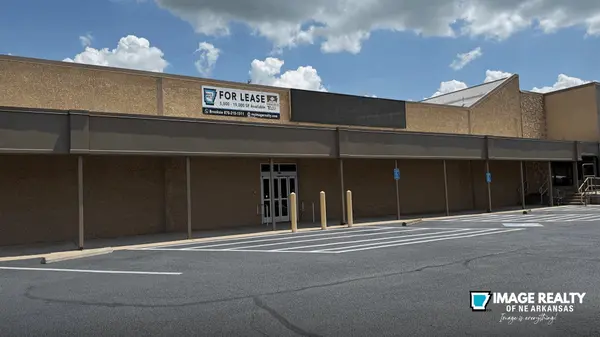
Commercial Real Estate 101: Buying Property for Your Business
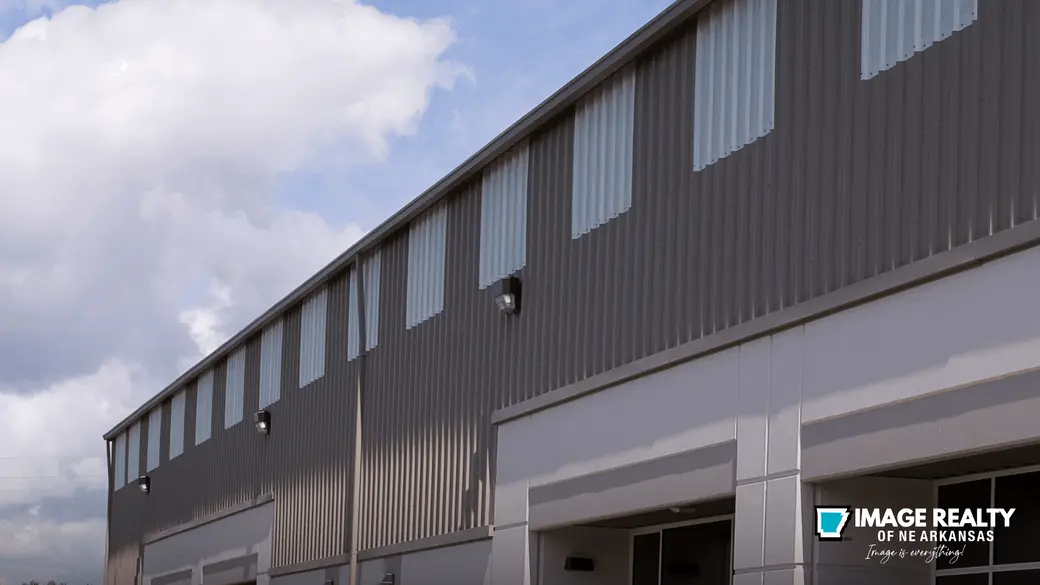
Purchasing commercial real estate is a significant milestone for many business owners. Whether you're opening your first storefront, expanding operations, or relocating to a larger space, buying commercial property requires careful planning and research.
Unlike purchasing a home, commercial real estate transactions often involve additional considerations, including zoning, business operations, lease potential, and property functionality.
If you're exploring commercial properties in Paragould, Jonesboro, Greene County, Craighead County, or elsewhere in Northeast Arkansas, understanding the process can help you make informed decisions.
What Is Commercial Real Estate?
Commercial real estate refers to property primarily used for business purposes.
Examples include:
- Office buildings
- Retail storefronts
- Restaurants
- Warehouses
- Industrial buildings
- Multi-tenant commercial centers
- Medical or professional office space
- Vacant commercial land
Each property type serves different business needs and may have unique requirements.
Determine Your Business Needs
Before beginning your property search, define how the space will support your business.
Consider questions such as:
- How much space do you need today?
- Will your business likely require additional space in the future?
- Do you need customer parking?
- Is warehouse or storage space important?
- Will employees or clients regularly visit the location?
- Are there special utility or equipment requirements?
Answering these questions early can help narrow your search.
Choose the Right Location
Location plays an important role in commercial real estate.
Factors to evaluate may include:
Accessibility
Consider how easily customers, employees, vendors, and deliveries can reach the property.
Visibility
Depending on your business type, visibility from major roads or commercial corridors may be an important consideration.
Nearby Businesses
The surrounding commercial environment may influence customer traffic and operational convenience.
Future Business Goals
Think about how the property's location aligns with your long-term operational plans.
Understand Zoning Requirements
Before purchasing commercial property, verify that your intended business use is permitted under local zoning regulations.
Depending on the municipality, zoning may affect:
- Permitted business activities
- Building modifications
- Parking requirements
- Signage
- Future expansion opportunities
Consult the appropriate local government office or qualified professionals regarding zoning questions.
Evaluate the Building's Condition
A commercial property inspection can help identify existing issues that may affect future operations.
Areas commonly reviewed include:
- Roof
- Foundation
- HVAC systems
- Electrical systems
- Plumbing
- Parking areas
- Accessibility features
- Structural components
Inspection needs vary depending on the age and type of property.
Consider Operating Costs
The purchase price is only one part of the overall investment.
Potential ongoing expenses may include:
- Property taxes
- Insurance
- Utilities
- Building maintenance
- Repairs
- Landscaping
- Property management (if applicable)
Understanding these costs can help you create a realistic operating budget.
Financing Commercial Property
Commercial financing often differs from residential mortgage lending.
Loan terms, qualification requirements, down payment expectations, and documentation may vary based on:
- Property type
- Intended business use
- Borrower qualifications
- Lender requirements
Speak with a qualified commercial lender to discuss financing options available for your situation.
Think About Future Flexibility
As your business evolves, your space needs may change.
When evaluating a property, consider:
- Room for expansion
- Flexible floor plans
- Storage capacity
- Parking availability
- Accessibility for customers and employees
A property that supports future growth may provide greater flexibility over time.
Why Work With a Commercial Real Estate Professional?
Commercial transactions often involve additional research and coordination.
A commercial real estate professional can assist with:
- Identifying available properties
- Analyzing market conditions
- Coordinating inspections
- Negotiating purchase terms
- Connecting buyers with local resources
- Guiding the transaction from contract to closing
Local market knowledge can be especially valuable when evaluating commercial opportunities in Northeast Arkansas.
Commercial Opportunities in Northeast Arkansas
The Northeast Arkansas region continues to offer a variety of commercial property options, including:
- Downtown retail locations
- Professional office buildings
- Industrial facilities
- Development land
- Mixed-use properties
- Multi-tenant commercial buildings
Availability varies by community and market conditions, making it important to monitor current listings and opportunities.
Final Thoughts
Buying commercial real estate is an important business decision that involves careful planning and due diligence.
By evaluating your operational needs, researching zoning, understanding financing, and working with experienced professionals, you can approach the process with greater confidence.
Whether you're purchasing your first commercial property or expanding your business in Northeast Arkansas, taking the time to understand the commercial real estate process can help you make informed decisions.
Categories
Recent Posts