What Is an REO Property? A Beginner's Guide to Bank-Owned Homes

If you've spent time browsing real estate listings, you may have come across the term "REO property." While many buyers are familiar with traditional home sales, REO properties can be less understood.
REO properties can sometimes present unique opportunities for buyers, investors, and individuals looking for a different type of real estate transaction. However, they also come with considerations that differ from a standard home purchase.
Here's what you should know about REO properties and how they fit into today's real estate market.
What Does REO Mean?
REO stands for "Real Estate Owned."
An REO property is a property that has become owned by a lender, such as a bank or mortgage company, after an unsuccessful foreclosure auction.
In many cases, when a property does not sell during the foreclosure process, ownership transfers to the lender. The lender then markets the property for sale through traditional real estate channels.
How Does a Property Become REO?
While every situation is unique, the process generally follows these steps:
1. Mortgage Default
A homeowner becomes unable to meet the terms of their mortgage agreement.
2. Foreclosure Process
The lender initiates the foreclosure process according to applicable laws and procedures.
3. Foreclosure Auction
The property may be offered for sale through a public auction.
4. Ownership Transfers to the Lender
If the property does not sell at auction, the lender may take ownership, creating an REO property.
Once owned by the lender, the property is typically listed for sale through a licensed real estate brokerage.
How Are REO Properties Different from Traditional Home Sales?
REO properties often differ from traditional transactions in several ways.
The Seller Is Usually a Financial Institution
Instead of negotiating directly with a homeowner, buyers typically work through the lender's designated representatives and listing agents.
Property Conditions May Vary
Some REO homes are move-in ready, while others may require repairs, updates, or deferred maintenance.
The condition of any property should be evaluated carefully during the due diligence process.
Transaction Timelines Can Be Different
Because financial institutions often have internal review procedures, response times and closing timelines may differ from traditional home sales.
Potential Benefits of Buying an REO Property
Every property is unique, but buyers often explore REO opportunities for several reasons.
More Inventory Choices
REO listings can provide additional options for buyers searching within a particular price range or location.
Negotiation Opportunities
Depending on market conditions and property-specific circumstances, there may be opportunities for negotiation.
However, each lender follows its own policies, and outcomes vary.
Variety of Property Types
REO inventory may include:
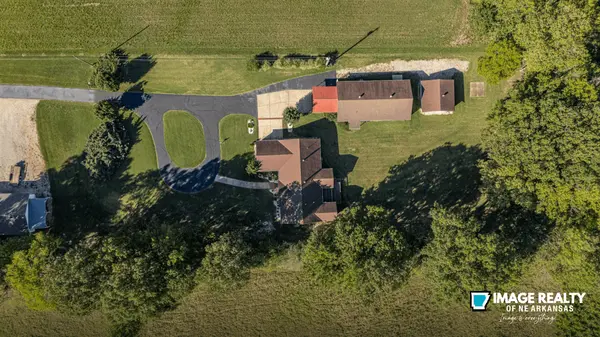
- Single-family homes
- Multi-family properties
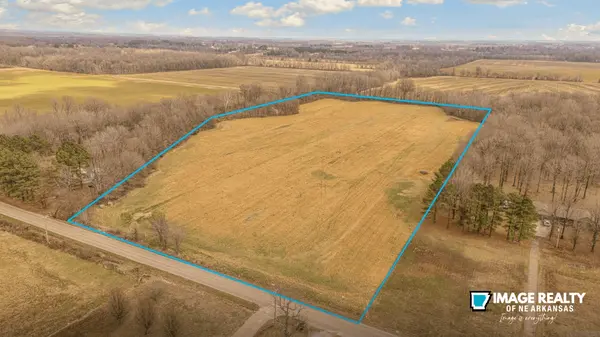
- Land parcels
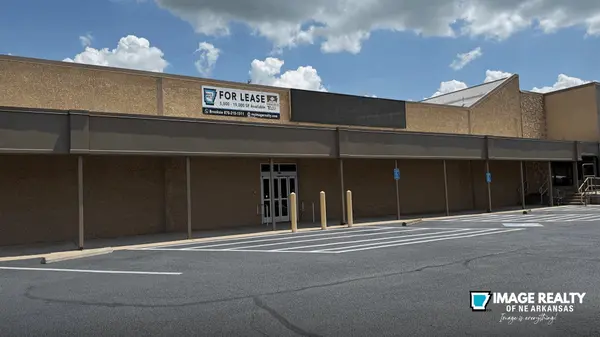
- Commercial properties
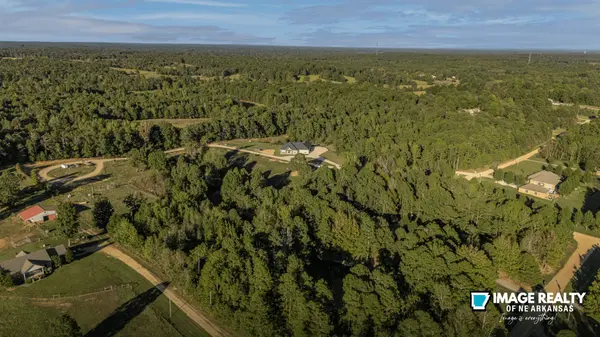
- Rural properties
Availability changes over time and varies by market.
Important Considerations Before Buying an REO Property
Property Condition
Some REO properties may have been vacant for extended periods.
Buyers should carefully inspect the property and understand its condition before proceeding.
Repair Costs
Properties requiring repairs may involve additional expenses after purchase.
Buyers should obtain estimates from qualified professionals when evaluating potential repair needs.
Financing Requirements
Financing options may vary depending on property condition and lender requirements.
Prospective buyers should consult a qualified lender regarding available financing programs and eligibility requirements.
Title and Legal Matters
Title, ownership, and foreclosure-related matters can be complex.
Buyers should work with qualified title professionals and legal advisors when appropriate.
Who Might Consider an REO Property?
REO properties may attract a variety of buyers, including:
- First-time home buyers
- Move-up buyers
- Investors
- Multi-family property buyers
- Commercial real estate buyers
- Individuals seeking renovation opportunities
Each buyer's goals, budget, and risk tolerance will differ.
REO Opportunities in Northeast Arkansas
Like many real estate markets, Northeast Arkansas may occasionally have REO properties available in communities such as:
- Paragould
- Jonesboro
- Greene County
- Craighead County
- Surrounding areas
Inventory levels and availability can change at any time based on market conditions and lender activity.
Working with a real estate professional familiar with REO transactions can help buyers better understand the process and available opportunities.
Tips for Buying an REO Property
Get Pre-Approved
Understanding your financing options before making an offer can help streamline the buying process.
Conduct Thorough Inspections
Professional inspections can help identify concerns that may not be immediately visible.
Understand the Property's History
Gather as much information as possible regarding the property's condition and ownership history.
Be Prepared for Additional Documentation
Lenders selling REO properties often have transaction-specific forms and procedures.
Final Thoughts
REO properties can offer buyers additional opportunities in the real estate market, but they often require careful evaluation and due diligence.
Whether you're looking for a primary residence, investment property, commercial building, or land opportunity in Northeast Arkansas, understanding how REO properties work can help you make more informed decisions during your property search.
Categories
Recent Posts