Property Maintenance for Real Estate Investors: What to Evaluate
How Real Estate Investors Can Evaluate Property Maintenance Needs
Purchasing an investment property involves more than reviewing the asking price and considering potential rental income. Investors also need to understand the property's current condition, likely maintenance needs, and the ongoing costs associated with ownership.
A home that appears well-maintained during a showing may still need repairs or future updates. Meanwhile, a property that needs some work may be worth considering if the necessary improvements fit the buyer's budget and plans.
For investors exploring rental properties in Paragould, Jonesboro, Greene County, and Craighead County, evaluating maintenance needs before purchasing can help clarify the responsibilities and expenses that may come with ownership.
1. Start With the Property's Overall Condition
Begin by examining the property's visible condition and identifying areas that may need further evaluation.
Look beyond cosmetic details such as paint colors, flooring, and decorative finishes. Pay attention to the home's essential systems, exterior components, and signs of deferred maintenance.
During an initial walkthrough, consider:
-
The condition of the roof and gutters.
-
Visible cracks or concerns involving the foundation.
-
Signs of water intrusion, staining, or persistent moisture.
-
The condition of windows, doors, siding, and exterior trim.
-
The apparent condition of heating and cooling equipment.
-
Visible plumbing or electrical concerns.
-
The condition of flooring, walls, and ceilings.
-
The state of driveways, walkways, fences, and landscaping.
A walkthrough is not a substitute for a professional inspection. It is an opportunity to identify questions and determine whether additional evaluation may be necessary.
Document visible concerns and ask appropriate professionals to assess issues that could affect safety, habitability, repair costs, or the property's intended use.
2. Review Major Systems and Components
Major building systems can represent significant expenses when repairs or replacements become necessary.
Before purchasing, learn as much as possible about the age, condition, maintenance history, and serviceability of the property's major components.
Roofing and Drainage
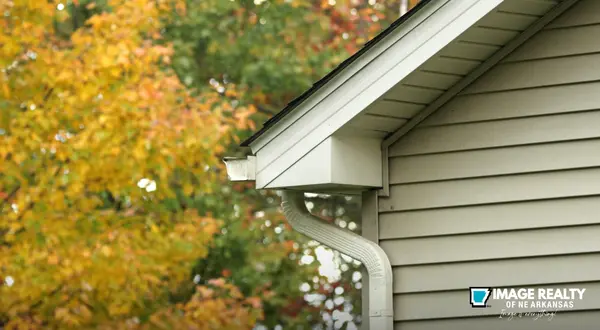
Ask about the roof's age and any known leaks or repairs. Inspect visible roof areas, gutters, downspouts, and drainage paths for signs of damage or water management concerns.
A qualified roofing professional may be needed to evaluate the roof's remaining service life and estimate repair or replacement costs.
Heating and Cooling
Ask whether the heating and cooling systems operate properly and whether service records are available. Equipment condition, efficiency, and repair history may affect future maintenance expenses.
Plumbing
Look for visible leaks, damaged fixtures, water stains, and signs of previous plumbing repairs. A qualified plumber can investigate concerns that are not readily apparent during a walkthrough.
Electrical Systems
Check for visible damage and ask about known electrical issues. Electrical concerns should be evaluated by a qualified professional rather than treated as simple cosmetic repairs.
Structural Components
Pay attention to visible foundation concerns, uneven floors, sticking doors, or other conditions that may warrant further assessment. These signs do not automatically establish a structural defect, but they may justify evaluation by a qualified inspector or structural professional.
Understanding the condition of these components helps investors build a more realistic picture of the property's needs.
3. Distinguish Immediate Repairs From Future Maintenance
Not every maintenance item requires immediate attention. Separating urgent repairs from routine upkeep and longer-term replacements can make planning easier.
A useful way to organize your findings is to group them into three categories.
Immediate or safety-related concerns: Issues that may affect safety, water intrusion, essential services, or the property's ability to be used as intended.
Near-term repairs: Items that should be addressed soon to prevent deterioration or keep the property operating as expected.
Longer-term maintenance: Components that are functioning now but may require attention or replacement in the future.
For example, an active plumbing leak may require prompt attention, while worn exterior paint may be a planned maintenance project. An aging heating and cooling system may be operating today but still deserve closer review and budgeting.
The timing and urgency of any repair should be determined with qualified professionals based on the actual condition.
4. Estimate Repair and Replacement Costs
Once potential maintenance needs have been identified, gather realistic estimates before committing to the purchase.
Online estimates and general cost guides can help with early planning, but actual costs vary according to labor availability, material choices, property access, the extent of damage, and local requirements.
For significant work, consider obtaining written estimates from qualified contractors. Ask what is included and whether additional costs may arise if hidden damage is discovered.
Your estimate should account for applicable expenses such as:
-
Labor and materials.
-
Permit fees, where required.
-
Inspection or specialist fees.
-
Cleanup and disposal.
-
Temporary accommodations or lost rental availability, if applicable.
-
Potential additional work uncovered during repairs.
Avoid relying on a single broad estimate when the property's condition is uncertain. For major concerns, a second professional opinion may help clarify the likely scope of work.
5. Account for Routine and Seasonal Maintenance
Even a property in good condition requires ongoing attention. Maintenance responsibilities may include routine inspections, seasonal preparation, cleaning, and upkeep of exterior areas.
For rental properties in Northeast Arkansas, investors may want to plan for tasks such as:
-
Checking heating and cooling equipment before periods of heavy use.
-
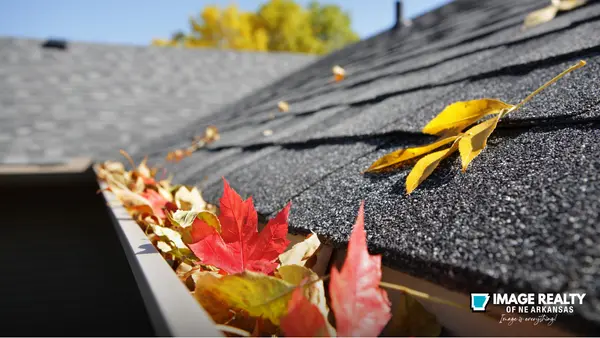
Cleaning gutters and monitoring drainage.
-
Inspecting roofs and exterior materials when appropriate.
-
Checking for plumbing leaks and moisture concerns.
-
Maintaining lawns, trees, and landscaping.
-
Inspecting fences, gates, and exterior walkways.
-
Addressing minor repairs before they become more extensive.
-
Preparing vulnerable plumbing systems for freezing weather when necessary.
The exact schedule will depend on the property's age, construction, equipment, occupancy, and surrounding conditions.
A written maintenance calendar can help owners track recurring tasks, arrange service appointments, and maintain records of completed work.
6. Consider the Property's Age and Construction
The age of a property can provide useful context, but it should not be the only factor in evaluating maintenance needs.
An older home may have updated systems and a documented maintenance history. A newer home may still have installation issues, defective components, or maintenance needs.
Instead of assuming that newer means trouble-free or older means problematic, evaluate the specific property.
Consider reviewing:
-
Available permits and renovation records.
-
Receipts or records for major repairs.
-
Manufacturer information and warranties, where applicable.
-
Previous inspection reports, if available and appropriate to rely on.
-
The condition of installed equipment.
-
Known issues and the history of recurring repairs.
Confirm the transferability and limitations of any warranties rather than assuming they automatically transfer to a new owner.
7. Evaluate Maintenance in Relation to Rental Plans
A property's maintenance needs should be considered alongside the way you intend to use it.
For example, a property intended for long-term rental may require a different preparation plan than a property being renovated before occupancy. A home with extensive repair needs may also require more time before it can be rented, depending on the work required and applicable requirements.
Investors should consider:
-
The condition needed for the intended occupancy.
-
Any applicable building, safety, or rental requirements.
-
The cost of repairs before a tenant moves in.
-
The time required to complete necessary work.
-
The process for handling future maintenance requests.
-
The availability of reliable contractors or property management services.
Do not assume that a property can be rented immediately after purchase. Verify the property's condition and any applicable requirements before developing a timeline.
If you plan to hire a property manager, ask how maintenance requests, vendor approvals, inspections, and emergency repairs are handled.
8. Build a Realistic Maintenance Budget
Maintenance costs can vary from year to year. A property may require only routine upkeep in one period and a major repair in another.
Investors should evaluate expenses based on the property's actual condition, age, systems, maintenance history, and intended use. A generic budgeting percentage may be useful as an initial planning reference, but it should not replace a property-specific assessment.
Your budget may include:
-
Routine service and preventive maintenance.
-
Repairs to plumbing, electrical, and mechanical systems.
-
Roof and exterior upkeep.
-
Landscaping and pest-control services, where needed.
-
Appliance repairs or replacements.
-
Emergency repairs.
-
Capital improvements and major component replacements.
-
Property management and vendor coordination, if used.
Keep funds available for unexpected expenses. Even a thorough inspection may not reveal every concealed or intermittent problem.
A realistic maintenance budget can help you compare properties and assess whether the responsibilities fit your financial circumstances.
9. Review the Inspection Report Carefully
A professional inspection report can provide valuable information about a property's observable condition, but it should not be treated as a guarantee that every issue has been identified.
Read the report carefully and pay attention to recommendations for further evaluation. If the inspector identifies concerns involving structural components, electrical systems, plumbing, roofing, or other specialized areas, follow up with the appropriate professional.
Before your purchase deadlines pass, determine which issues are most important to your decision and review your options under the actual contract.
For questions about inspection contingencies, repair negotiations, disclosures, or contractual rights, consult your real estate professional and an Arkansas real estate attorney as appropriate.
10. Keep Maintenance Records After Closing
Once you own an investment property, organized records can make ongoing management easier.
Maintain a file for inspection reports, contractor estimates, receipts, warranties, service records, permits, and completed repairs.
A maintenance log can include:
-
The date an issue was reported or discovered.
-
A description of the problem.
-
The professional or contractor contacted.
-
The recommended work.
-
The cost and completion date.
-
Any follow-up service needed.
These records can help you track recurring concerns, plan future work, and communicate more clearly with contractors or property managers.
They may also provide useful documentation when you evaluate the property's condition in the future. However, maintenance records alone do not guarantee a particular resale value or investment outcome.
Make Maintenance Part of Your Investment Decision
Property maintenance is an important part of evaluating a real estate investment. Understanding a home's condition, identifying potential repairs, estimating costs, and planning for routine upkeep can help investors make more informed purchasing decisions.
For investors considering properties in Paragould, Jonesboro, Greene County, Craighead County, and surrounding Northeast Arkansas communities, a careful review of maintenance needs can help clarify the work and expenses associated with ownership.
Image Realty can help buyers explore available properties and navigate the real estate transaction. For questions about inspections, repairs, construction, rental requirements, taxes, or investment planning, consult the appropriate qualified professionals.
Categories
Recent Posts