Commercial Property vs. Residential Investment: Which Is Right for You?

Commercial Property vs. Residential Investment: Which Is Right for You?
Real estate offers a variety of investment opportunities, and one of the first decisions many investors face is whether to purchase commercial property or residential real estate. Each option has unique characteristics, potential advantages, and responsibilities.
The right choice depends on your financial goals, investment strategy, experience, and comfort level with different types of properties.
If you're exploring investment opportunities in Paragould, Jonesboro, Greene County, Craighead County, or elsewhere in Northeast Arkansas, understanding the differences between commercial and residential properties can help you make a more informed decision.
What Is Residential Investment Property?
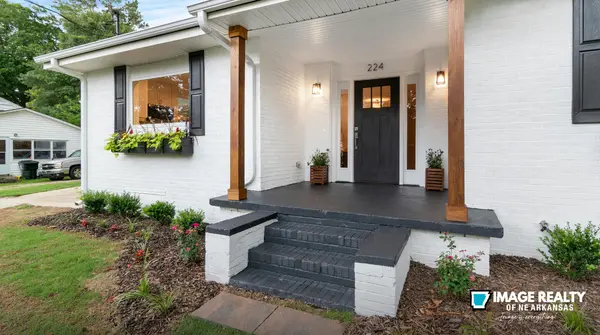
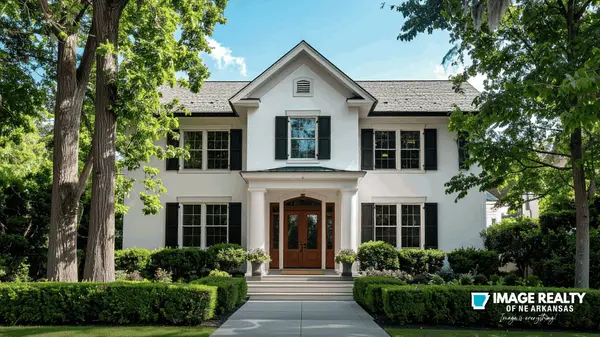
Residential investment property includes real estate primarily intended for people to live in.
Examples include:
- Single-family homes
- Duplexes
- Triplexes
- Fourplexes
- Condominiums
- Townhomes
Many investors begin with residential properties because they are already familiar with this type of real estate.
What Is Commercial Real Estate?
Commercial real estate is generally used for business purposes or income-producing activities.
Examples include:
- Office buildings
- Retail centers
- Restaurants
- Warehouses
- Industrial buildings
- Medical offices
- Apartment buildings with more units than are classified as residential under applicable lending or legal standards
Commercial properties often involve different financing structures, lease agreements, and management responsibilities than residential properties.
Comparing Commercial and Residential Investments
Purchase Price
Commercial properties often have higher purchase prices than residential homes, although this varies depending on the property's size, location, condition, and intended use.
Residential investments may provide a more accessible entry point for some investors.
Financing
Financing requirements can differ between commercial and residential transactions.
Commercial loans often have:
- Different qualification requirements
- Larger down payment expectations
- Different loan terms
- Alternative underwriting standards
Financing options vary by lender, so buyers should consult qualified lending professionals regarding available programs.
Property Management
Both residential and commercial properties require ongoing management.
Responsibilities may include:
- Routine maintenance
- Repairs
- Tenant communication
- Insurance coordination
- Property improvements
- Financial recordkeeping
Some owners choose to hire professional property management companies, while others prefer to manage properties themselves.
Lease Structures
Residential leases and commercial leases are often structured differently.
Commercial lease agreements may include additional terms regarding:
- Property maintenance responsibilities
- Operating expenses
- Lease length
- Tenant improvements
Because lease agreements can be complex, buyers should consult qualified legal professionals regarding contract terms.
Vacancy Considerations
Vacancy is an important consideration for any investment property.
Residential and commercial properties may experience different vacancy patterns depending on:
- Market conditions
- Location
- Property type
- Economic factors
No property type guarantees consistent occupancy.
Maintenance and Improvements
Maintenance needs vary significantly depending on the property.
Residential properties often involve:
- Interior maintenance
- Landscaping
- Roofing
- HVAC systems
Commercial properties may also require maintenance of:
- Parking lots
- Larger mechanical systems
- Common areas
- Accessibility features
- Specialized building systems
Understanding these responsibilities before purchasing can help investors prepare for long-term ownership.
Which Investment Fits Your Goals?
Before purchasing any investment property, ask yourself:
- What is my investment timeline?
- How involved do I want to be in property management?
- What type of financing best fits my situation?
- How comfortable am I with maintenance responsibilities?
- What level of risk am I prepared to manage?
Your answers can help determine which type of property aligns with your objectives.
Opportunities in Northeast Arkansas
Northeast Arkansas offers a wide variety of investment opportunities.
Depending on your goals, you may find:
- Residential rental homes
- Duplexes and multi-family properties
- Office buildings
- Retail space
- Industrial properties
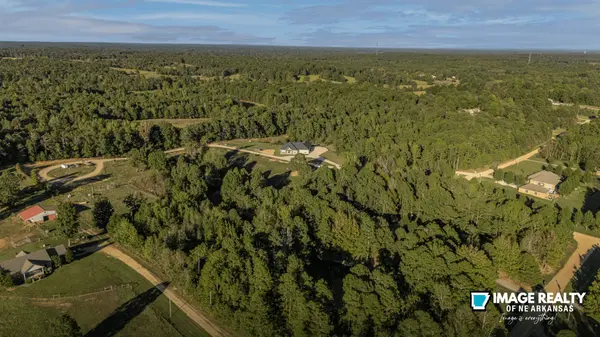
- Vacant commercial land
- Mixed-use developments
Communities including Paragould, Jonesboro, Greene County, and Craighead County continue to offer diverse real estate options for buyers exploring different property types.
Because local market conditions change over time, it's important to evaluate current opportunities based on your individual investment strategy.
Why Work With a REALTOR®?
Whether you're purchasing your first rental home or expanding into commercial real estate, working with a REALTOR® who understands the local market can be valuable.
A REALTOR® can help you:
- Identify available properties
- Analyze current market information
- Coordinate showings
- Explain the transaction process
- Connect with local professionals when appropriate
Having experienced local guidance can make navigating the buying process more efficient.
Final Thoughts
Both commercial and residential real estate offer unique opportunities, and neither is universally better than the other. The best choice depends on your goals, available resources, and long-term plans.
If you're considering purchasing investment property in Northeast Arkansas, the experienced professionals at Image Realty can help you explore available opportunities and provide local market insight to support your real estate goals.
Categories
Recent Posts