5 Things Sellers Should Know Before Listing a Home in Northeast Arkansas
5 Things Sellers Should Know Before Putting Their Home on the Market
Selling a home is a significant decision, and preparation can make the process easier to navigate.
Before putting a property on the market, homeowners should consider more than simply choosing a listing date. Pricing, property condition, documentation, marketing preparation, and the logistics of showings can all affect the selling process.
If you're considering selling a home in Northeast Arkansas, including Paragould, Jonesboro, Greene County, or Craighead County, these five considerations can help you prepare for the process.
1. Understand the Current Local Market
Real estate conditions can vary significantly from one community to another and can change over time.
Before deciding how to price your home or when to list it, take time to understand current conditions in your specific area.
Factors that may be relevant include:
- Recent comparable sales
- Current inventory
- Listing activity
- Buyer demand
- Days on market
- Property condition
- Location
- Home size and features
A national real estate headline may not accurately reflect what is happening in your particular Northeast Arkansas market.
A real estate professional can provide information about comparable properties and current market activity. Market conditions can change, so information should be reviewed based on the most current available data.
Why Comparable Properties Matter
The prices of nearby homes can provide useful context, but no two properties are exactly alike.
Differences in:
- Size
- Condition
- Lot characteristics
- Updates
- Age
- Location
- Features
can affect how properties compare.
Pricing decisions should take the individual property and current market conditions into account.
2. Prepare Your Home Before Listing
You don't necessarily need to complete every possible renovation before selling.
Instead, focus on improvements that make sense for the property's condition, your goals, and your budget.
Start with basic preparation:
- Deep clean the home
- Declutter rooms and closets
- Remove unnecessary personal items
- Complete minor maintenance
- Clean windows
- Improve exterior presentation
- Organize storage areas
- Replace burned-out light bulbs
- Address obvious cosmetic issues
Walk through the property with a critical eye and look for items you've become accustomed to seeing.
A loose door handle or scuffed wall may seem minor to you, but addressing small maintenance items can help present the property in a more polished condition.
Should You Renovate Before Selling?
Not necessarily.
Large renovations can involve significant expense, and there is no guarantee that the cost of a renovation will be recovered through the eventual sale price.
Before making a major improvement, consider:
- The home's current condition
- The expected cost
- The age of existing features
- Comparable properties
- Your selling timeline
- Whether the improvement addresses an actual concern
For larger projects, obtaining estimates from qualified contractors can help you understand the potential cost.
3. Gather Important Property Information
Selling a home often requires providing information about the property.
Before listing, begin gathering documents and details that may be useful during the transaction.
Depending on the property, this may include:
- Property disclosures
- Previous inspection reports
- Surveys
- Warranties
- Receipts for improvements
- Information about major repairs
- Appliance information
- Roof documentation
- HVAC records
- Information about additions or renovations
- HOA or subdivision documents, if applicable
Having this information organized early can make it easier to answer questions as they arise.
If you're unsure whether a particular document or disclosure is required, consult the appropriate real estate or legal professional.
4. Be Prepared for Showings
Once your home is listed, buyers may want to tour the property.
Preparing for showings ahead of time can make the process less stressful.
Before a showing, consider:
- Turning on appropriate lights
- Opening curtains and blinds
- Putting away personal items
- Clearing countertops
- Making beds
- Securing pets
- Removing unnecessary clutter
- Keeping the home comfortably maintained
- Making important areas accessible
You don't have to make the home look like a magazine. The goal is to keep it clean, organized, and easy for buyers to evaluate.
Think About the Exterior Too
Don't overlook the outside of the property.
Make sure:
- The lawn is maintained
- Leaves and debris are cleared
- Walkways are accessible
- The front entry is clean
- Exterior lights work
- Landscaping is reasonably maintained
First impressions begin before a buyer walks through the front door.
5. Understand That the Selling Process Takes Time
Once your home is listed, the transaction doesn't end when you receive an offer.
The process may involve:
- Listing preparation
- Marketing
- Showings
- Offers
- Negotiation
- Contract acceptance
- Inspections
- Appraisal, when applicable
- Title work
- Financing
- Closing
The exact process can vary depending on the transaction.
Even after an offer is accepted, unexpected questions or issues can arise. Staying organized and communicating with the appropriate professionals can help keep the transaction moving.
How Should You Choose a Listing Price?
Pricing is one of the most important decisions you'll make when selling.
It's natural for homeowners to think about how much they have invested in the property or how much they would like to receive from the sale.
However, those numbers don't necessarily determine the property's current market value.
Factors that may influence pricing include:
- Recent comparable sales
- Current competition
- Property condition
- Location
- Size
- Features
- Market conditions
A comparative market analysis prepared by a real estate professional can provide useful information for evaluating a potential listing price.
A market analysis is not a guarantee of what a home will sell for.
Make a Plan for Your Selling Timeline
Before listing, consider your desired timeline.
Ask yourself:
- When would I ideally like to list?
- Do I need to sell before purchasing another property?
- Where will I live after the sale?
- Are there repairs that need to happen first?
- Do I have a preferred closing timeframe?
- What happens if the home sells faster or slower than expected?
Having a plan can help you prepare for different possibilities.
At the same time, real estate transactions can involve circumstances outside the seller's control, so maintaining some flexibility may be useful.
Consider the Financial Side of Selling
Selling a home involves expenses beyond the mortgage payoff.
Depending on the transaction, sellers may encounter costs related to:
- Repairs
- Preparing the property
- Professional services
- Closing expenses
- Taxes
- Title-related expenses
- Commissions or compensation agreed upon with real estate professionals
- Moving
The specific costs vary by transaction.
For questions involving taxes or other financial matters, consult an appropriately qualified professional.
Don't Let Emotion Determine Every Decision
A home often has years of memories attached to it, which can make selling an emotional experience.
However, buyers are evaluating the property based on their own needs and circumstances.
Try to separate emotional attachment from practical decisions involving:
- Pricing
- Repairs
- Negotiations
- Showings
- Timelines
Your real estate professional can help explain the transaction and market information, while you ultimately make decisions based on your own circumstances and goals.
Selling a Home in Northeast Arkansas?
Whether you're preparing to sell in Paragould, Jonesboro, Greene County, Craighead County, or another Northeast Arkansas community, preparation can help you approach the process with a clearer plan.
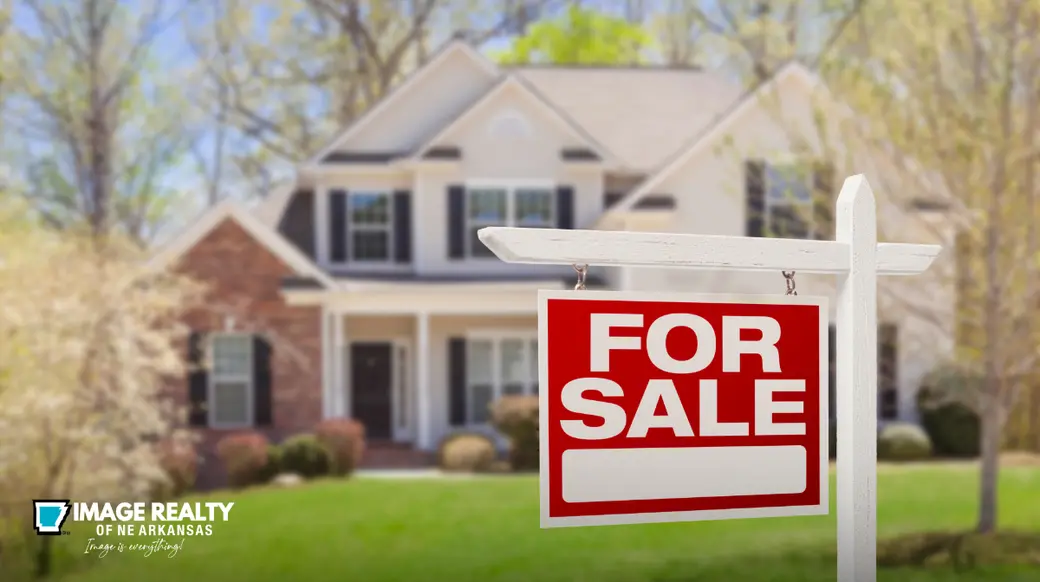
Before putting the sign in the yard, take time to understand the current market, prepare the property, organize important information, plan for showings, and understand the steps involved in getting from listing to closing.
A well-planned selling process starts before the home is officially listed.
Important Disclaimer
This article is provided for general educational purposes only and should not be considered legal, tax, financial, lending, insurance, appraisal, title, or investment advice. Real estate market conditions can change, and individual properties and transactions vary. Sellers should consult appropriately licensed professionals regarding questions specific to their circumstances.
Categories
Recent Posts